
Angler Phishing
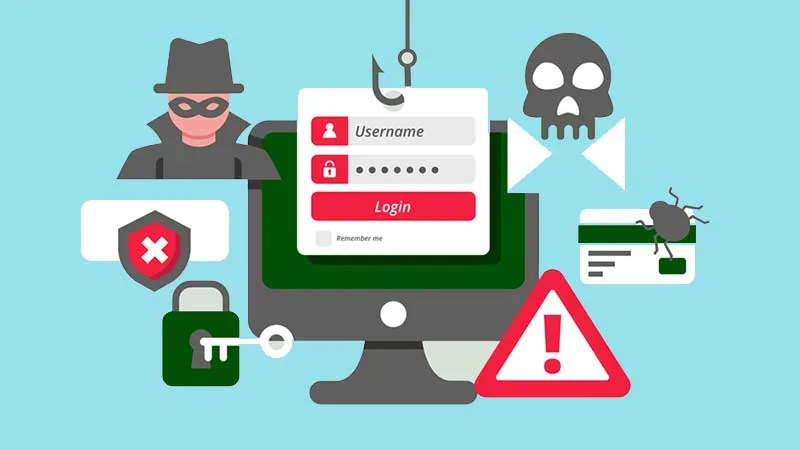
In the expansive ocean of cyber threats, Angler Phishing emerges as a cunning and evasive form of cyber attack, casting a wide net to ensnare unsuspecting victims. This type of phishing leverages a combination of deceptive tactics and social engineering to trick individuals into divulging sensitive information or falling prey to malicious schemes. In this exploration, we will delve into the intricacies of Angler Phishing, understand its techniques, discuss preventive measures, and provide insights into the broader landscape of email phishing, including the number of victims and the damages incurred.
Understanding Angler Phishing:
Angler Phishing, also known as “angler phishing attacks,” refers to a deceptive practice where cybercriminals impersonate legitimate entities to trick individuals into providing sensitive information or taking harmful actions. This form of phishing typically involves the use of various communication channels, such as emails, social media, or messaging platforms, to lure victims into a trap.
Impersonation of Trusted Entities:
Angler phishing attacks often involve impersonating trusted entities, such as reputable companies, government agencies, or financial institutions. The attackers use familiar logos, email templates, or website layouts to create a convincing facade.
Urgency and Fear Tactics:
Phishers frequently employ urgency and fear tactics to manipulate victims into immediate action. Messages may convey a sense of urgency, such as claiming a security breach, account suspension, or pending legal consequences, to prompt victims to provide sensitive information without thorough verification.
Use of Malicious Links:
Angler phishing emails or messages often contain links that lead to fraudulent websites designed to mimic legitimate platforms. These websites may prompt users to enter login credentials, financial information, or other sensitive data.
Malware Distribution:
In some cases, Angler Phishing attacks involve the distribution of malware. Malicious attachments or links within emails may lead to the installation of harmful software on the victim’s device, enabling cybercriminals to gain unauthorized access or control.
Targeted Spear Phishing:
Angler phishing attacks can be highly targeted, focusing on specific individuals or organizations. Cybercriminals may conduct thorough research to tailor their phishing messages, making them more convincing and increasing the likelihood of success.
Mitigating the risks associated with Angler Phishing requires a combination of technological solutions, user education, and a proactive security stance. Here are some preventive measures:
Security Awareness Training:
Educate users about the tactics employed in Angler Phishing attacks. Training programs should emphasize the importance of verifying the authenticity of messages, avoiding clicking on suspicious links, and reporting potential phishing attempts.
Email Filtering and Anti-Phishing Tools:
Implement robust email filtering solutions and anti-phishing tools to detect and block malicious emails. These tools use advanced algorithms and threat intelligence to identify phishing attempts before they reach the inbox.
Multi-Factor Authentication (MFA):
Enable multi-factor authentication (MFA) wherever possible. MFA adds an extra layer of security by requiring additional verification steps, even if login credentials are compromised.
Secure Website Access (HTTPS):
Encourage users to verify the security of websites by checking for “https://” in the URL. Secure websites encrypt data in transit, reducing the risk of man-in-the-middle attacks associated with Angler Phishing.
Regular Software Updates:
Keep operating systems, browsers, and security software up to date. Regular updates patch vulnerabilities that cybercriminals may exploit to deliver malware or compromise systems.
Use Endpoint Protection:
Employ reputable endpoint protection solutions that can detect and block malicious software. These solutions provide an additional layer of defense against malware distributed through Angler Phishing attacks.
User Verification Procedures:
Establish clear procedures for users to verify the authenticity of messages, especially those requesting sensitive information or urgent action. Encourage users to verify such requests through alternative communication channels.
Quantifying the exact number of victims affected by Angler Phishing attacks is challenging due to factors such as underreporting and the constantly evolving nature of cyber threats. Angler Phishing contributes to the broader landscape of phishing attacks, resulting in financial losses, identity theft, and unauthorized access to sensitive information.
Tax Season Phishing Scams:
Angler phishing attacks often surge during tax season, with cybercriminals impersonating tax authorities or financial institutions. Victims may receive emails claiming issues with their tax returns and prompting them to click on malicious links.
Payment Fraud via Impersonation:
Cybercriminals may impersonate company executives in Angler Phishing attacks targeting finance departments. The attackers request urgent payments or financial transactions, leading to unauthorized fund transfers.
Credential Harvesting via COVID-19 Lures:
Angler Phishing attacks have exploited global events, such as the COVID-19 pandemic. Cybercriminals send emails claiming to provide pandemic-related information, tricking users into clicking on malicious links and revealing login credentials.
Conclusion:
Angler Phishing, with its deceptive tactics and targeted approach, underscores the dynamic and sophisticated nature of cyber threats. As individuals and organizations navigate the digital landscape, understanding and mitigating the risks associated with Angler Phishing is crucial.
Preventive measures, ranging from user education to advanced security tools, play a pivotal role in building a resilient defense against Angler Phishing attacks. Simultaneously, recognizing the broader context of phishing attacks, including email phishing, emphasizes the need for ongoing education, awareness, and the implementation of best practices to protect against the diverse and evolving challenges posed by phishing in its various forms. By fostering a culture of cybersecurity consciousness and implementing proactive security measures, individuals and organizations can navigate the digital waters with greater resilience and vigilance in the face of persistent cyber threats.
Worry-free internet shopping
Experience worry-free internet shopping with our top-notch solution, completely eliminating concerns about fraud.