
Whaling: A Deep Dive into Targeted Email Phishing
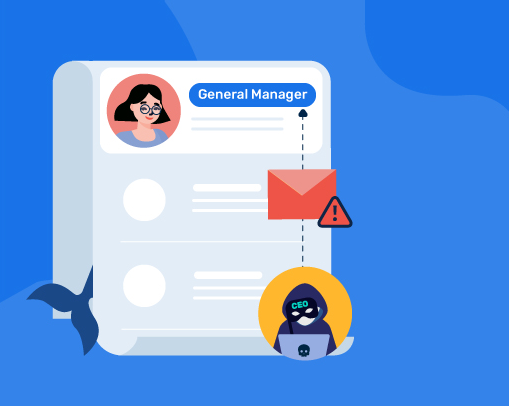
In the vast ocean of cyber threats, whaling emerges as a sophisticated and highly targeted form of email phishing, specifically designed to harpoon high-profile targets within organizations. Also known as CEO fraud or business email compromise (BEC), whaling attacks are orchestrated to trick top executives or key decision-makers into revealing sensitive information or authorizing financial transactions. In this exploration, we will delve into the nuances of whaling, understand its tactics, discuss preventive measures, and provide insights into the broader landscape of email phishing, including the number of victims and the damages incurred.
Understanding Whaling:
Whaling represents an evolution of traditional email phishing, where attackers set their sights on the “big fish” within an organization—the executives holding the reins of power and access to sensitive information. The primary objective is to deceive these high-profile targets into taking actions that can lead to financial losses, unauthorized data access, or other detrimental consequences.
Email Spoofing:
Whaling attackers often use email spoofing techniques to make their messages appear as if they are coming from a trusted source, such as a senior executive or a legitimate business partner.
Impersonation of Executives:
Attackers carefully research their targets and craft emails that convincingly impersonate executives or high-ranking officials within the organization. This may involve using similar email addresses, language, and communication styles.
Urgency and Authority:
Whaling emails often convey a sense of urgency and authority. Attackers leverage the high-stakes nature of executive decisions to manipulate targets into bypassing normal security protocols.
Targeted Information Gathering:
Whaling attacks are meticulously planned, with attackers gathering specific information about the target’s role, responsibilities, and the organization’s internal processes. This information is then used to create convincing and personalized phishing emails.
Given the targeted and sophisticated nature of whaling attacks, organizations must implement comprehensive security measures to mitigate the risks. Here are some preventive strategies:
Security Training and Awareness:
Educate executives and employees about the tactics used in whaling attacks. Training should emphasize the importance of verifying requests for sensitive information and recognizing red flags in emails.
Multi-Factor Authentication (MFA):
Implement multi-factor authentication to add an extra layer of security. Even if credentials are compromised, MFA helps prevent unauthorized access by requiring additional verification steps.
Email Authentication Protocols:
Utilize email authentication protocols such as DMARC (Domain-based Message Authentication, Reporting, and Conformance) to verify the authenticity of incoming emails. This helps in preventing email spoofing and domain impersonation.
Regular Security Audits:
Conduct regular security audits to identify vulnerabilities and assess the effectiveness of existing security measures. This includes reviewing email security protocols, access controls, and response procedures.
Encrypted Communication:
Encourage the use of encrypted communication channels, especially for sensitive information and financial transactions. Encryption adds a layer of protection against eavesdropping and man-in-the-middle attacks.
Verification of Requests:
Establish a protocol for verifying high-impact requests, especially those involving financial transactions or sensitive data access. Executives and employees should be trained to confirm such requests through secondary means, such as a phone call or in-person communication.
Advanced Threat Protection Solutions:
Deploy advanced threat protection solutions that can analyze email content, detect malicious patterns, and block potentially harmful emails before they reach the inbox.
Quantifying the exact number of victims affected by whaling attacks is challenging due to underreporting and the targeted nature of these attacks. Whaling attacks are often part of broader business email compromise (BEC) incidents, contributing to the overall impact of financial fraud and data breaches.
CEO Fraud:
A well-known form of whaling attack involves CEO fraud, where attackers impersonate the CEO and send emails to finance or HR departments, requesting urgent fund transfers or sensitive employee information.
Vendor Email Compromise:
Attackers compromise the email accounts of trusted vendors or partners and use them to send fraudulent emails to target organizations, requesting payments or changes to account details.
Legal and Financial Impersonation:
Whaling attacks often involve impersonating legal or financial authorities, instructing targets to make payments or provide sensitive information under the guise of legal or regulatory compliance.
Conclusion:
Whaling, as a targeted form of email phishing, underscores the need for organizations to adopt a proactive and multi-faceted approach to cybersecurity. As cyber threats evolve, whaling attacks demonstrate the importance of securing not only the technological aspects but also the human elements within an organization.
Preventive measures against whaling attacks involve a combination of technological solutions, security protocols, and ongoing education and awareness programs. By fostering a culture of cybersecurity consciousness and implementing robust security measures, organizations can better protect themselves against the sophisticated tactics employed by cybercriminals in whaling attacks and the broader landscape of email phishing. As the cyber threat landscape continues to evolve, staying vigilant and adapting security measures will be crucial in the ongoing battle against these targeted and potentially damaging attacks.
Worry-free internet shopping
Experience worry-free internet shopping with our top-notch solution, completely eliminating concerns about fraud.