
Smishing Unveiled: Navigating the Terrain of SMS Phishing
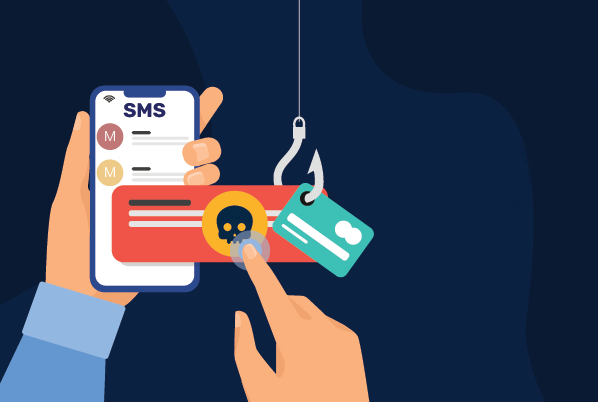
In the ever-evolving landscape of cyber threats, smishing, a portmanteau of “SMS” and “phishing,” has emerged as a potent and deceptive form of social engineering. Smishing involves the use of text messages to trick individuals into divulging sensitive information or clicking on malicious links. In this exploration, we’ll delve into the intricacies of smishing, its tactics, preventive measures, and the impact it has on victims. Additionally, we’ll touch on the broader context of email phishing to provide a comprehensive view of the multifaceted challenges posed by phishing attacks.
Understanding Smishing:
Smishing leverages the ubiquitous nature of text messaging to deceive individuals into taking actions that compromise their security. Cybercriminals send fraudulent SMS messages that appear to come from legitimate sources, such as banks, government agencies, or service providers. These messages often contain urgent requests, prompting recipients to click on links, call specified numbers, or provide sensitive information.
Impersonation of Trusted Entities: Smishing attacks often involve impersonation of well-known and trusted entities. Cybercriminals may pose as banks, credit card companies, or popular online services, creating a false sense of legitimacy.
Urgency and Fear Tactics: Similar to other phishing methods, smishing relies on urgency and fear to manipulate individuals. Messages may convey imminent account closures, security threats, or unauthorized activities, compelling recipients to take immediate action.
Use of Shortened URLs: Smishing messages frequently include shortened URLs, making it challenging for recipients to discern the destination website. Clicking on these links may lead individuals to phishing websites designed to collect sensitive information.
Text-Based Contests or Surveys: Cybercriminals use smishing to lure individuals with promises of winning contests, prizes, or participating in surveys. Victims may be enticed to provide personal details under the guise of eligibility verification.
Given the surreptitious nature of smishing attacks, individuals can adopt several proactive measures to reduce the risk of falling victim:
Verify Sender Information: Before responding to or taking action based on a text message, verify the sender’s information independently. Use official contact details obtained from a trusted source, such as the official website or customer service.
Avoid Clicking on Unverified Links: Refrain from clicking on links in text messages, especially if they are unexpected or appear suspicious. Instead, manually navigate to the official website of the alleged sender using a trusted web browser.
Be Skeptical of Unsolicited Messages: Exercise caution when receiving unsolicited messages, especially those conveying urgency or requesting sensitive information. Legitimate entities typically do not communicate sensitive matters through unsolicited text messages.
Enable Two-Factor Authentication (2FA): Implementing two-factor authentication adds an extra layer of security by requiring users to provide additional verification beyond passwords. Even if credentials are compromised, 2FA helps prevent unauthorized access.
Use Security Software: Install and regularly update security software on your mobile device. Security applications can help detect and block potential smishing attempts, providing an additional layer of defense.
Quantifying the exact number of smishing victims is challenging due to factors such as underreporting and the dynamic nature of cyber threats. However, it is evident that smishing is a prevalent and growing threat, targeting individuals across the globe. Smishing campaigns often cast a wide net, aiming for both quantity and specificity in their attempts.
Financial Losses: Smishing attacks can lead to direct financial losses, with scammers tricking individuals into making payments or providing credit card information in response to fraudulent messages. Victims may find unauthorized transactions on their accounts, leading to financial distress.
Identity Theft: Similar to other phishing methods, smishing attacks can result in identity theft. Victims may unknowingly disclose personal details that enable attackers to impersonate them for fraudulent activities, such as opening accounts or applying for credit in their name.
Unauthorized Access to Accounts: Smishing scammers may use the information obtained to gain unauthorized access to the victim’s accounts, including email, banking, or social media. This unauthorized access can lead to further exploitation of personal and financial data.
Propagation of Malware: Clicking on links in smishing messages may lead to the download of malicious software onto the victim’s device. This malware can compromise the security of the device, leading to data breaches or additional cyber threats.
Business Email Compromise (BEC): Smishing is often employed as part of broader attacks, such as Business Email Compromise (BEC). In BEC incidents, attackers may use smishing to gain access to email accounts, enabling them to orchestrate fraudulent transactions or access sensitive business information.
Bank Account Verification Scams: In these smishing attacks, individuals receive text messages claiming to be from their bank, stating that their account needs verification due to suspicious activity. Victims are prompted to click on a link and provide sensitive information, leading to unauthorized access to their accounts.
Package Delivery Scams: Smishing scammers often exploit the prevalence of online shopping by sending messages pretending to be delivery notifications. Victims may be lured into clicking on malicious links, leading to the download of malware or phishing websites.
COVID-19 Vaccine Appointment Scams: Taking advantage of global events, smishing attacks related to the COVID-19 pandemic have emerged. Victims receive text messages claiming to offer vaccine appointments or information, leading to the disclosure of personal and healthcare details.
Conclusion:
In the dynamic landscape of cyber threats, smishing and email phishing stand out as pervasive and adaptable methods employed by cybercriminals. Both forms of phishing leverage social engineering tactics to exploit human vulnerabilities, emphasizing urgency, fear, and deception to achieve their objectives.
As individuals and organizations navigate this digital terrain, proactive measures are crucial to mitigating the risks associated with smishing and email phishing. These measures include education and awareness, verification of communication sources, and the implementation of security technologies.
While the specific number of victims and the extent of financial and reputational damage vary, the overarching impact of phishing attacks is clear. The financial losses, identity theft, and operational disruptions resulting from successful phishing attempts underscore the importance of a collective and ongoing effort to enhance cybersecurity practices.
By fostering a culture of cybersecurity awareness, implementing robust security measures, and staying informed about evolving threats, individuals and organizations can fortify their defenses against the multifaceted challenges posed by smishing, email phishing, and the broader spectrum of cyber threats.
Worry-free internet shopping
Experience worry-free internet shopping with our top-notch solution, completely eliminating concerns about fraud.