
Pharming: Navigating the Threat Landscape
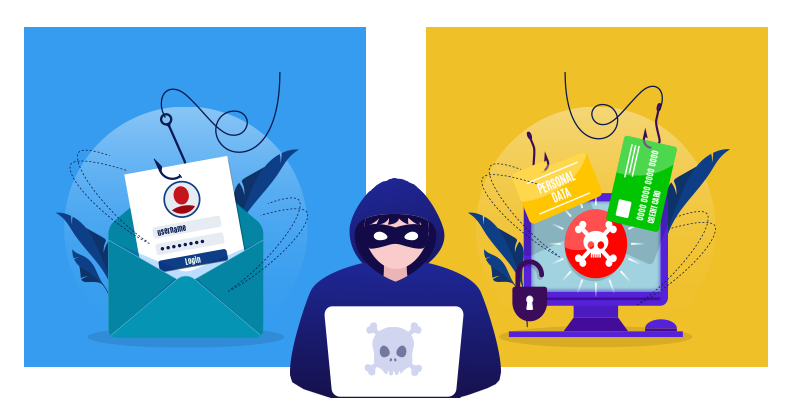
In the realm of cyber threats, pharming stands out as a devious method employed by cybercriminals to manipulate the Domain Name System (DNS) and redirect users to fraudulent websites. Unlike its more well-known counterpart, phishing, which relies on deceptive emails, pharming takes a more surreptitious route by compromising the fundamental infrastructure of the internet. In this exploration, we will delve into the intricacies of pharming, understand its mechanisms, discuss preventive measures, and shed light on the broader context of email phishing and its impact on victims.
Understanding Pharming:
Pharming is a type of cyber attack where attackers manipulate the DNS, which is responsible for translating human-readable domain names (like www.example.com) into IP addresses that computers use to identify each other on the internet. By compromising the DNS, pharmers can redirect users to malicious websites without their knowledge, even if the users enter the correct web address into their browsers.
DNS Cache Poisoning:
In this type of attack, the cybercriminals inject false information into the DNS resolver’s cache. As a result, when users attempt to visit a legitimate website, they are directed to a fraudulent site controlled by the attackers.
Hosts File Pharming:
Attackers can compromise individual computers by altering the hosts file, a local file that maps IP addresses to domain names. This manipulation leads the compromised computer to access fraudulent websites even when users enter the correct web addresses.
Malware Distribution:
Pharming attacks often involve the distribution of malware, such as trojans or worms, which can manipulate DNS settings or alter hosts files on infected devices.
Man-in-the-Middle Attacks:
Cybercriminals may intercept communication between a user and a DNS server, allowing them to inject false DNS responses and redirect the user to malicious sites.
Router Vulnerabilities:
If attackers gain access to a router’s settings, they can modify DNS configurations, impacting all devices connected to that router.
As pharming attacks can have severe consequences, taking preventive measures is crucial to mitigate the risks. Here are some strategies to safeguard against pharming:
Use Secure and Updated DNS Servers:
Ensure that the DNS servers used by your network are secure and regularly updated. Using reputable DNS servers with security features can help protect against pharming attacks.
Implement DNS Security Extensions (DNSSEC):
DNSSEC is a set of extensions to DNS that adds an additional layer of security by digitally signing DNS data. It helps prevent the manipulation of DNS responses, enhancing the integrity of the domain name resolution process.
Keep Software and Systems Updated:
Regularly update operating systems, antivirus software, and applications to patch vulnerabilities that could be exploited by pharming attacks.
Use Secure Websites (HTTPS):
Websites that use HTTPS provide encrypted communication between users and the website’s server. This encryption helps protect against man-in-the-middle attacks and ensures the integrity of the content being accessed.
Firewall Protection:
Employ firewalls to monitor and control incoming and outgoing network traffic. Firewalls can help detect and block unauthorized access and malicious activities, including pharming attempts.
Antivirus and Anti-malware Solutions:
Install reputable antivirus and anti-malware solutions to detect and remove malicious software that may be involved in pharming attacks.
Regularly Check Router Settings:
Routinely review and update the settings of your router, including passwords and firmware. Changing default login credentials and keeping the router firmware up to date can prevent unauthorized access and tampering.
Educate Users About Security Practices:
Educate users about the risks of pharming attacks and the importance of verifying website addresses, especially when entering sensitive information.
Quantifying the exact number of victims affected by pharming attacks can be challenging due to underreporting and the covert nature of these attacks. Pharming attacks often serve as components within broader cyber threats, contributing to various forms of cybercrime, including identity theft, financial fraud, and data breaches.
Conclusion:
In the dynamic and evolving landscape of cyber threats, pharming and email phishing represent distinct challenges, each with its own set of techniques and potential consequences. Pharming, with its focus on manipulating the DNS infrastructure, underscores the critical importance of securing the foundational elements of the internet.
As individuals and organizations navigate this complex terrain, adopting a multifaceted approach to cybersecurity is essential. Preventive measures against pharming, such as using secure DNS servers, implementing DNSSEC, and staying vigilant against malware, can contribute to a more resilient online environment.
Simultaneously, understanding the broader context of phishing attacks, including email phishing, emphasizes the need for ongoing education, awareness, and the implementation of best practices. By fostering a culture of cybersecurity consciousness, individuals and organizations can better protect themselves against the diverse and sophisticated threats posed by pharming and phishing in their various forms.
Worry-free internet shopping
Experience worry-free internet shopping with our top-notch solution, completely eliminating concerns about fraud.