
Vishing: Unveiling the Threat of Voice Phishing
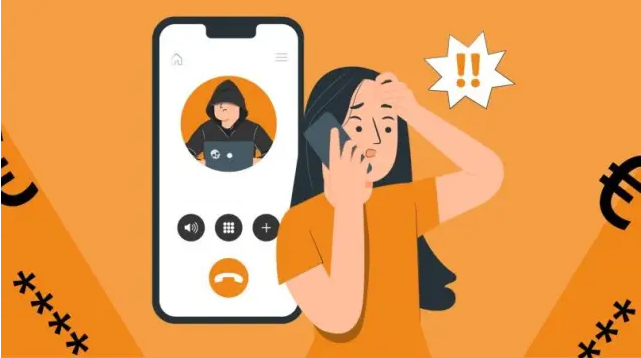
In the ever-expanding landscape of cyber threats, phishing has taken on a vocal dimension with the emergence of vishing, or voice phishing. This sophisticated form of social engineering leverages phone calls to deceive individuals into disclosing sensitive information. In this exploration, we’ll delve into the intricacies of vishing, how it differs from other phishing methods, preventive measures, and the potential damage it can inflict on unsuspecting victims.
Understanding Vishing:
Vishing, a portmanteau of “voice” and “phishing,” involves manipulating individuals through phone calls to extract sensitive information or prompt them to perform certain actions. Unlike traditional phishing, which relies on emails, vishing exploits the power of voice to create a sense of urgency and authenticity. Attackers often pose as legitimate entities, such as banks, government agencies, or tech support, to gain the trust of their targets.
Caller ID Spoofing: Vishing attackers frequently use caller ID spoofing to make it appear as if the call is coming from a trusted or familiar source. This manipulation adds an extra layer of deception, making it more challenging for recipients to discern the legitimacy of the call.
Urgency and Threats: Similar to email phishing, vishing calls often employ urgency and threats to manipulate individuals. Callers may claim there’s a security issue with the individual’s account, a pending legal matter, or a time-sensitive opportunity to exploit the sense of immediacy.
Impersonation of Trusted Entities: Vishing scammers are adept at impersonating trusted entities, such as banks, government agencies, or utility companies. By posing as authoritative figures, they aim to gain access to sensitive information or convince targets to make payments.
Pretexting: Vishing attacks may involve pretexting, where attackers create a fabricated scenario to extract information. For example, a caller might pretend to be conducting a survey, requesting personal details under the guise of harmless questioning.
Given the persuasive nature of vishing attacks, it’s essential for individuals to adopt proactive measures to minimize the risk of falling victim:
Verify Caller Identity: When receiving unexpected calls, especially those claiming to be from official entities, verify the caller’s identity independently. Use official contact information obtained from a trusted source, such as the official website or documents.
Avoid Sharing Sensitive Information: Refrain from sharing sensitive information, such as passwords, credit card numbers, or Social Security numbers, over the phone unless you initiate the call and are certain of the recipient’s legitimacy.
Be Skeptical of Urgent Calls: Exercise caution when confronted with urgent or threatening calls. Scammers often use high-pressure tactics to create a sense of panic, leading individuals to act hastily without proper verification.
Educate and Train Employees: Organizations should provide cybersecurity training to employees, emphasizing the risks associated with vishing. Training sessions can help employees recognize common tactics and adopt a skeptical mindset when receiving unexpected calls.
Use Call Screening Technology: Leveraging call screening and blocking features on smartphones can help filter out potential vishing calls. These technologies use algorithms to identify and flag suspicious calls based on known patterns and reported scams.
Unlike email phishing, quantifying the exact number of vishing victims is challenging due to underreporting and the covert nature of these attacks. Vishing campaigns often target individuals who may not report the incidents, contributing to a lack of comprehensive data. However, anecdotal evidence and reported cases indicate that vishing poses a significant threat, especially as attackers continue to refine their tactics.
Financial Losses: Vishing attacks can lead to direct financial losses, with scammers tricking individuals into making payments or providing credit card information over the phone. In some cases, victims may unknowingly transfer funds to fraudulent accounts, resulting in financial hardship.
Identity Theft: Similar to email phishing, vishing attacks can result in identity theft. Victims may unwittingly disclose personal details that enable attackers to impersonate them for fraudulent activities, such as opening bank accounts or applying for credit in their name.
Unauthorized Access to Accounts: Vishing scammers may use the information obtained to gain unauthorized access to the victim’s accounts, including email, banking, or social media. This unauthorized access can lead to further exploitation of personal and financial data.
Business Email Compromise (BEC): Vishing is often employed as part of broader attacks, such as Business Email Compromise (BEC). In BEC incidents, attackers may use vishing to gain access to email accounts, enabling them to orchestrate fraudulent transactions or access sensitive business information.
Reputational Damage: Individuals who fall victim to vishing attacks may experience reputational damage, especially if the attackers use the stolen information to engage in illicit activities that reflect poorly on the victim.
Tech Support Scams: Vishing scammers often pose as tech support representatives from well-known companies, claiming that the victim’s computer has a virus. The scammers then request remote access to the computer or payment for unnecessary services.
Bank Impersonation: In bank impersonation vishing attacks, scammers call individuals, claiming to be from their bank’s fraud department. They request sensitive information, such as account numbers or PINs, under the pretense of verifying the individual’s identity.
IRS and Tax Scams: Vishing is prevalent during tax season, with scammers posing as IRS agents and threatening legal action if immediate payment is not made. Victims may be coerced into providing credit card information or making wire transfers.
Conclusion:
Vishing represents a dynamic and evolving threat in the realm of cybersecurity. Its combination of social engineering tactics and voice communication makes it a potent tool for cybercriminals seeking to exploit individuals and organizations. As with other forms of phishing, education, awareness, and proactive measures are essential to mitigate the risks associated with vishing. By fostering a culture of skepticism, verifying caller identities, and staying informed about emerging threats, individuals can better protect themselves against the deceptive allure of vishing. As technology and communication methods continue to advance, staying vigilant and adapting to new tactics will be crucial in the ongoing battle against voice phishing.
Worry-free internet shopping
Experience worry-free internet shopping with our top-notch solution, completely eliminating concerns about fraud.